Royal Gift: The Donkey That Helped Shape America
When people talk about influential equines in history, horses usually get the spotlight.
But if you’ve spent time in the donkey and mule world, you know there’s another group of animals whose impact runs just as deep – and whose stories often go untold.
One of those animals was Royal Gift.
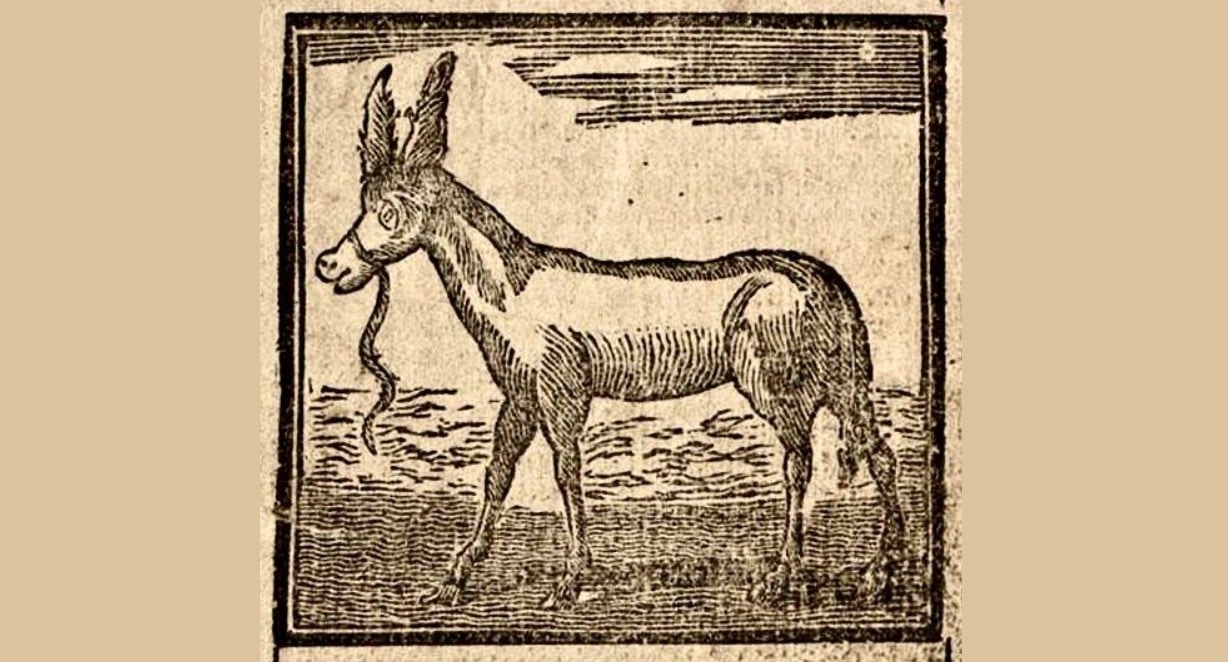
Royal Gift was one of the notable imported jacks associated with the development of what would eventually become the American Mammoth Jackstock breed. He was among the large breeding donkeys brought into the United States during a period when the country was actively improving livestock through selective breeding.
While most people today don’t think much about mules, there was a time when they helped power America. Long before tractors and heavy machinery became common, mules worked fields, hauled freight, moved supplies, and served as dependable partners in agriculture and transportation. Entire local economies relied on strong, sound working animals.
That demand created a need for exceptional breeding stock. Breeders wanted larger jacks that could consistently produce tall, capable mule offspring with strength, endurance, and dependable dispositions. Imported animals like Royal Gift became highly valued because they helped establish the size and type breeders were seeking.
One of the most fascinating parts of this story is that efforts to improve American jackstock reached all the way to the country’s earliest leadership – including George Washington.
Many people know George Washington as the first President of the United States, but fewer realize he was also deeply interested in agriculture and livestock improvement. Washington believed mules could become an important working animal for the young nation and actively supported efforts to improve mule breeding in America.
In the 1780s, Washington received several large breeding jacks from Europe – including the famous imported jack, Royal Gift, a gift from the King of Spain – which he incorporated into his breeding program at Mount Vernon.
Washington documented his breeding work and became an early advocate for expanding mule production in the United States. Those imported jacks helped establish bloodlines that contributed to the foundation and eventual development of the American Mammoth Jackstock.
That connection always feels remarkable to me. One of America’s founding figures wasn’t just shaping a nation – he was helping shape an equine breed.
What I love most about stories like Royal Gift’s is that influence isn’t always measured by ribbons, race times, or public recognition.
Sometimes influence looks quieter than that.
It looks like generations.
It looks like intentional breeding.
It looks like stronger mule teams and animals that became trusted partners for families, farms, and communities.
Today, American Mammoth Jackstock breeders continue preserving these bloodlines and celebrating the history that helped build the animals we know today.
Kristie Jorgensen is the founder of My Equine World and a lifelong equine enthusiast with deep roots in the donkey and mule community. She is passionate about preserving equine history, connecting horse people, and sharing the stories that shaped the animals we love today.