The Rise of the Versatile Mule: Why More Riders Are Making the Switch
There’s Nothing Quite Like a Mule on the Trail
Out here, where the trail narrows and the terrain starts asking questions, you learn real quick what kind of animal you’re sitting on.
There’s nothing quite like riding a good versatile mule through country that demands attention – rocky switchbacks, loose shale, creek crossings that don’t care how confident you felt back at the trailer. And more riders are starting to figure that out.
Over the past few years, I’ve watched a steady shift. Folks who’ve spent their whole lives on horses are swinging a leg over mules – and not going back.
What this really means is simple: the versatile mule isn’t just a pack animal anymore. It’s becoming the partner of choice for riders who want confidence, durability, and a deeper connection to the trail.
Built for the Kind of Ground That Teaches You Something
Out here in Colorado, you don’t always get forgiving footing. Trails can change in a matter of yards – dust to rock, rock to mud, mud to snowmelt runoff.
That’s where versatile mules shine.
A mule doesn’t rush the decision. It reads the ground. It thinks about where it places its feet. And when you’re riding steep country or navigating tight terrain, that kind of awareness matters more than speed.
What I always tell folks is this:
A good versatile mule won’t get you into trouble nearly as fast as a horse might – and more importantly, it’ll work just as hard to get you out of it.
That surefootedness isn’t hype. It’s something you feel every mile.
Temperament That Works With You, Not Against You
There’s a saying you hear a lot: “A mule will take care of itself first.”
Out here, that’s not a flaw – it’s an advantage.
Mules tend to think before they react. They’re not wired to panic the same way some horses are, and when something unexpected shows up – a blowing tarp, wildlife, shifting ground – they’re more likely to pause and process instead of bolt.
That doesn’t mean they’re easier. It means they’re honest.
You don’t force a versatile mule into partnership – you earn it.
And once you do, there’s a level of trust that’s hard to explain unless you’ve felt it. It’s quieter. More deliberate. Like the animal is choosing to work with you, not just responding to pressure.
Endurance That Keeps Going When the Miles Add Up
There’s nothing quite like a long day in the saddle where the miles start stacking up and the elevation keeps climbing.
That’s where versatile mules separate themselves.
They’re efficient movers. They manage their energy well. And they don’t wear down the same way many horses will under similar conditions.
I’ve guided rides where the horse riders are checking their watches and their mounts are starting to fade, while the mule riders are still moving steady – ears up, stride consistent, ready for more.
That kind of endurance isn’t just about comfort. It’s about safety.
When you’re miles from the trailhead, you want an animal that still has something left in the tank.
Safety Isn’t Luck – It’s the Right Partner
Out here, safety doesn’t come from gear alone. It comes from decisions – yours and your animal’s.
Mules tend to avoid bad situations before they become problems. They’re less likely to charge into something uncertain, and more likely to question it.
That hesitation can feel unfamiliar to riders used to horses – but once you understand it, you realize it’s one of the biggest advantages you can have.
It’s not stubbornness. It’s self-preservation.
And when you’re riding in unpredictable environments, that mindset can make all the difference.
Real Riders, Real Stories
I’ve seen it firsthand – riders who made the switch almost by accident.
One woman I rode with had spent 20 years on horses. She picked up a mule because she wanted something a little steadier for mountain trails. Within a season, she told me she felt more confident riding than she ever had before.
Another rider started with a mule for packing but ended up riding it exclusively. His words stuck with me:
“I didn’t realize how much mental energy I was spending managing my horse until I rode something that managed itself.”
That’s a common thread. Less worry. More presence. More enjoyment of the ride itself.
A Different Kind of Connection
There’s something about riding a mule that slows you down – in a good way.
Out here, where the air is thinner and the views stretch for miles, you start to notice things differently. The rhythm of the trail. The way your animal moves underneath you. The quiet communication that doesn’t need words.
Mules tend to meet you there.
They don’t rush the experience. They don’t overreact. They stay grounded – and they bring you with them.
Why More Riders Are Making the Switch
So why are versatile mules gaining ground?
It comes down to a few things:
- Confidence on challenging terrain
- A thinking, responsive partner
- Endurance for longer rides
- A calmer, more deliberate approach to the unexpected
But beyond all that, it’s about how they make you feel as a rider.
Out here, that matters.
Final Thoughts: Out Here, You Start to Understand
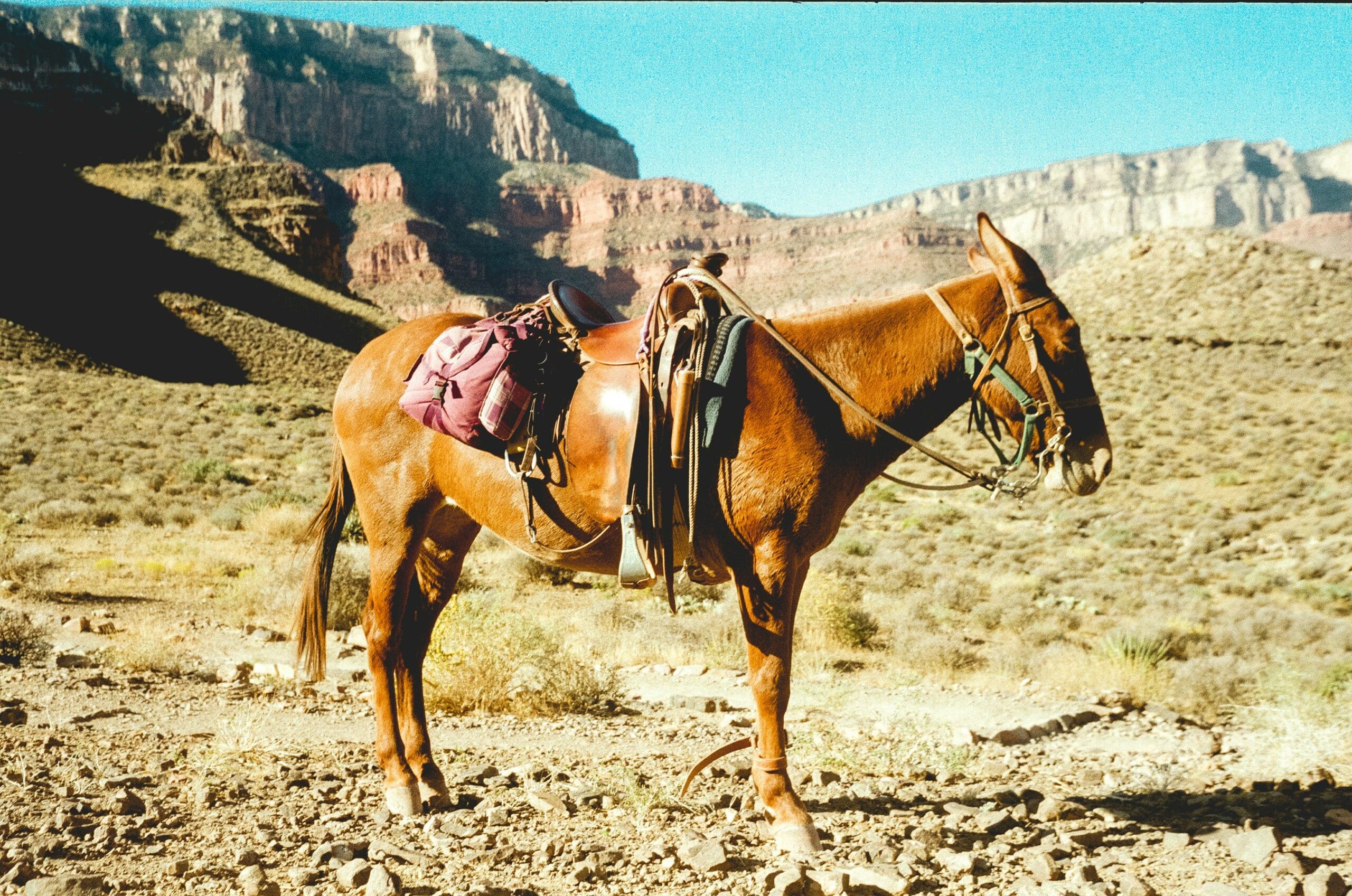
There’s nothing quite like standing at a high overlook, your mule steady beneath you, the trail behind you and miles still ahead.
Out here, you start to understand why more riders are making the switch.
It’s not about trends. It’s about trust. It’s about partnership. It’s about having an animal that meets the land the same way you do – aware, capable, and ready for whatever comes next.
And once you experience that… it’s hard to go back.