What Is a Mule? The Differences Between Mules, Donkeys, and Horses Explained
If you’ve ever looked at a mule and wondered, “Is that a horse or a donkey?” you’re not alone.
Mules have fascinated people for thousands of years. They combine characteristics of both horses and donkeys, creating an animal that is intelligent, hardworking, sure-footed, and incredibly versatile.
But what exactly is a mule? And how is it different from a horse or a donkey?
Let’s take a closer look.
What Is a Mule?
A mule is the offspring of a male donkey (called a jack) and a female horse (called a mare).
Because a mule has one horse parent and one donkey parent, it inherits traits from both species. The result is a unique animal that often combines the strength and athleticism of a horse with the intelligence and hardiness of a donkey.
Mules have been used for transportation, farming, packing, riding, ranch work, military service, and recreation for thousands of years.
Today, they are popular for:
- Trail riding
- Ranch work
- Packing and hunting trips
- Driving
- Endurance riding
- Showing and competition
- Companion animals
What Is a Donkey?
A donkey is its own species and is not simply a small horse.
Donkeys were first domesticated more than 5,000 years ago and have been valued throughout history for their strength, endurance, and ability to thrive in harsh environments.
Compared to horses, donkeys generally have:
- Longer ears
- Shorter, upright manes
- A distinctive bray instead of a neigh
- Strong self-preservation instincts
- Exceptional endurance
Donkeys range in size from miniature donkeys to large American Mammoth Jackstock donkeys that can stand over 56 inches tall at the shoulder.
What Is a Horse?
Horses are a separate species that have been bred for thousands of years for transportation, agriculture, sport, and companionship.
There are hundreds of horse breeds around the world, ranging from tiny miniature horses to massive draft breeds.
Horses are known for:
- Athletic ability
- Speed
- Trainability
- Versatility
- Strong herd instincts
Different breeds have been developed for racing, ranch work, jumping, dressage, driving, trail riding, and many other disciplines.
Mule vs. Donkey vs. Horse: What’s the Difference?
At first glance, the differences may seem obvious. But when you start comparing them closely, things become much more interesting.
Appearance
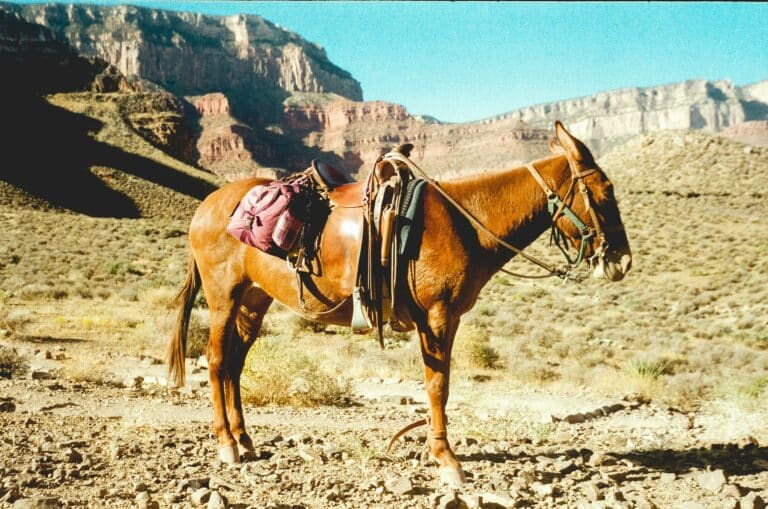
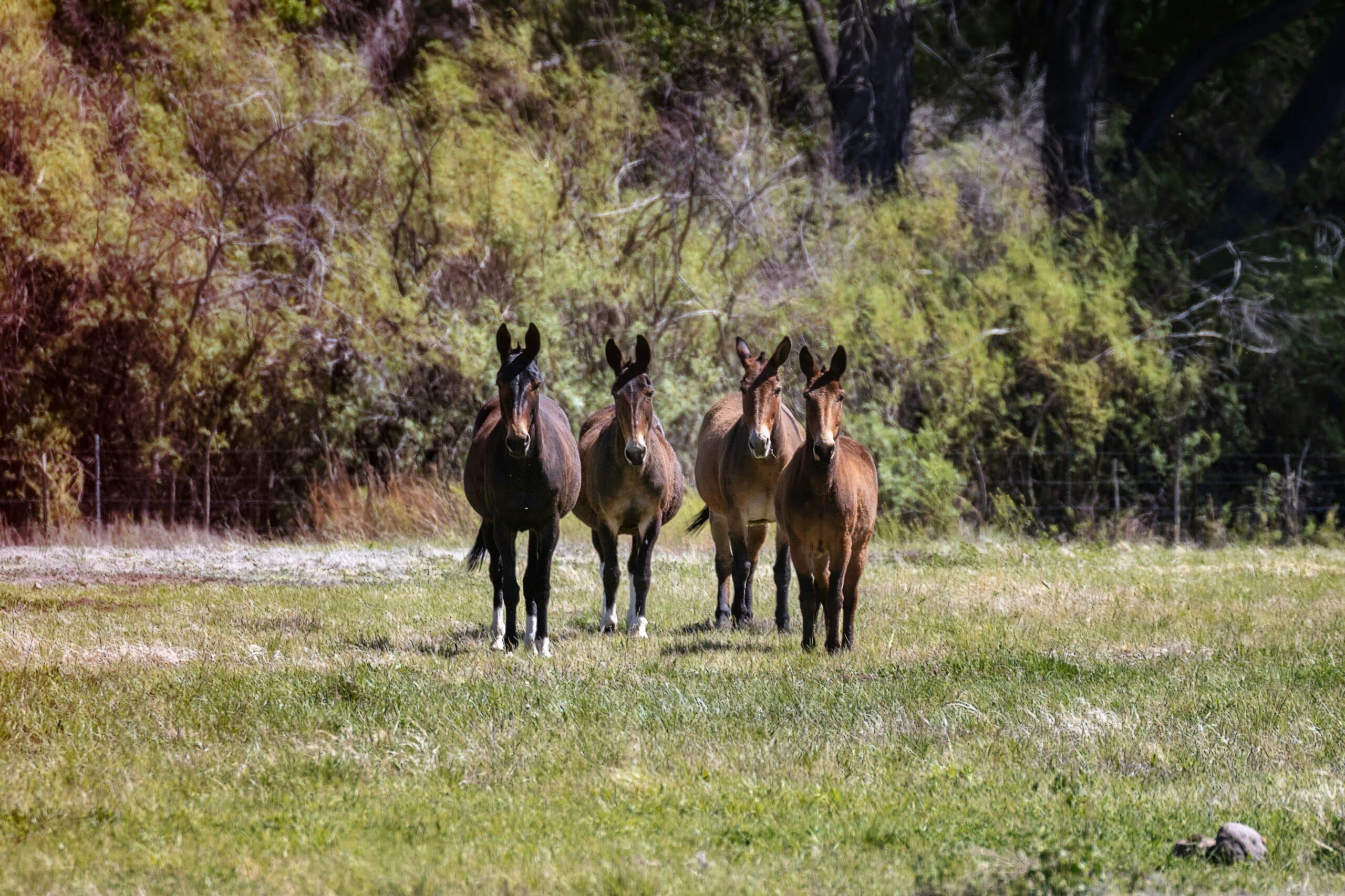
A mule often looks like a blend of both parents.
Most mules have:
- The long ears of a donkey
- The body shape of a horse
- Strong legs and dense bone structure
- A short upright mane
- A horse-like tail with fuller hair
Donkeys generally have:
- Longer ears
- Straighter shoulders
- Narrower bodies
- Short upright manes
- A tail with a tuft at the end
Horses typically have:
- Shorter ears
- Flowing manes
- Fuller tails
- More refined body shapes
Temperament
One of the biggest differences is how these animals think.
Horses
Horses are prey animals that often react quickly to perceived danger. Their first instinct is frequently to flee.
Donkeys
Donkeys tend to stop, assess a situation, and think before reacting. What some people mistakenly call “stubbornness” is often careful evaluation.
Mules
Mules inherit much of the donkey’s thought process while retaining the athletic ability of a horse.
A mule is more likely to:
- Analyze a situation
- Avoid unnecessary risks
- Learn quickly
- Remember lessons for a long time
Many mule owners describe them as intelligent problem-solvers.
Strength and Endurance
Mules are famous for their toughness.
Pound for pound, mules are often stronger and more durable than horses of similar size.
Benefits of mules include:
- Exceptional endurance
- Efficient use of feed
- Strong feet
- Heat tolerance
- Sure-footedness on difficult terrain
This is why mules have long been favored in mountainous regions and wilderness environments.
Intelligence
All three animals are intelligent, but they often express that intelligence differently. Horses tend to be willing and responsive. Donkeys tend to be cautious and analytical. Mules frequently combine both traits, making them remarkably clever. Many mule owners joke that a mule can learn something after seeing it once – and remember it forever.
Can Mules Have Babies?
Most mules are sterile and cannot reproduce. This happens because horses have 64 chromosomes while donkeys have 62. A mule inherits 63 chromosomes, which typically prevents normal reproduction. Although extremely rare exceptions have occurred throughout history, nearly all mules are unable to produce offspring.
Why Do People Love Mules?
People who own mules often become lifelong mule enthusiasts. Owners appreciate them because they are:
- Intelligent
- Loyal
- Long-lived
- Sure-footed
- Hardy
- Versatile
- Fun to work with
A well-trained mule can be an outstanding trail partner, ranch companion, driving animal, or family friend.
Which Is Right for You?
The best choice depends on your goals and personality.
A horse may be ideal if you enjoy traditional equestrian sports or want an animal that is highly responsive and widely accepted in competitive disciplines.
A donkey may be perfect if you want a hardy companion, calm quite mount, or affectionate animal with a unique personality.
A mule may be the right fit if you appreciate intelligence, problem-solving ability, and a partner that combines many of the best qualities of both horses and donkeys.
Final Thoughts
Mules, donkeys, and horses each bring something special to the equine world.
While horses are known for their athleticism and versatility, donkeys are admired for their endurance and thoughtful nature. Mules bridge the gap between the two, blending strength, intelligence, and practicality into one remarkable package.
Whether you’re a lifelong horse owner or someone just discovering the world of equines, learning about mules offers a fascinating glimpse into one of the most unique and capable animals on the planet.