Choosing the Right Horse: Matching Personality to Experience
The perfect horse isn’t always the flashiest or the most talented—it’s the one that’s the best match for your experience and goals. Here’s how to choose wisely and set yourself up for success.
One of the most exciting days in a rider’s life is bringing home a new horse.
It’s also one of the most important decisions you’ll ever make.
I’ve seen riders fall in love with a beautiful horse only to discover later that the partnership wasn’t a good fit. I’ve also watched riders choose a horse that didn’t immediately catch everyone’s attention, only to build years of confidence, trust, and unforgettable memories together.
Let’s walk through this together.
The goal isn’t to find the “best” horse.
The goal is to find the right horse for you.
Be Honest About Your Experience
A good habit to build is being completely honest with yourself about your current riding ability.
That isn’t selling yourself short.
It’s setting yourself up for success.
Ask yourself questions like:
- How often do I ride?
- Have I handled young or inexperienced horses?
- Am I confident riding outside of an arena?
- How comfortable am I dealing with unexpected situations?
- Do I have a trainer or experienced mentor available?
There is no shame in being a beginner.
Every experienced horse person started there.
Choosing a horse that matches your current skill level allows both you and your horse to enjoy the learning process.
Temperament Matters More Than Talent
Many first-time buyers focus on appearance, pedigree, or athletic ability.
Those things certainly have value.
But for most riders, temperament is far more important.
Look for a horse that is:
- Calm
- Curious
- Willing to learn
- Consistent in behavior
- Forgiving of rider mistakes
A quiet horse helps build confidence.
A reactive horse can quickly erode it.
Remember, confidence is much easier to build than it is to rebuild.
Don’t Buy Potential—Buy Experience
One of the most common mistakes new horse owners make is purchasing a young horse because they’re less expensive or because someone says they’ll be “amazing someday.”
Young horses need experienced riders.
They make mistakes.
They test boundaries.
They’re still learning about the world.
If you’re a beginner, an older horse with years of experience is often the better investment.
A seasoned horse can teach you far more than an inexperienced one ever could.
Consider Your Goals
Not every horse excels at every job.
Before you start shopping, think about what you actually want to do.
Maybe your dream is:
- Trail riding
- Local horse shows
- Ranch riding
- Dressage
- Western pleasure
- Jumping
- Family riding
The objective isn’t to buy the most versatile horse available.
It’s to buy one that enjoys the work you plan to do together.
Observe the Horse on the Ground
Before climbing into the saddle, spend time simply watching the horse.
Notice how they behave while:
- Being caught
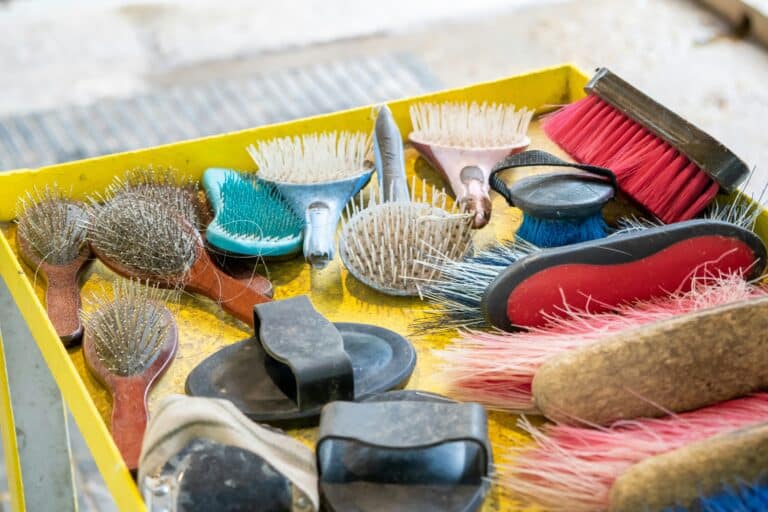
- Groomed
- Tacked up
- Standing tied
- Picking up their feet
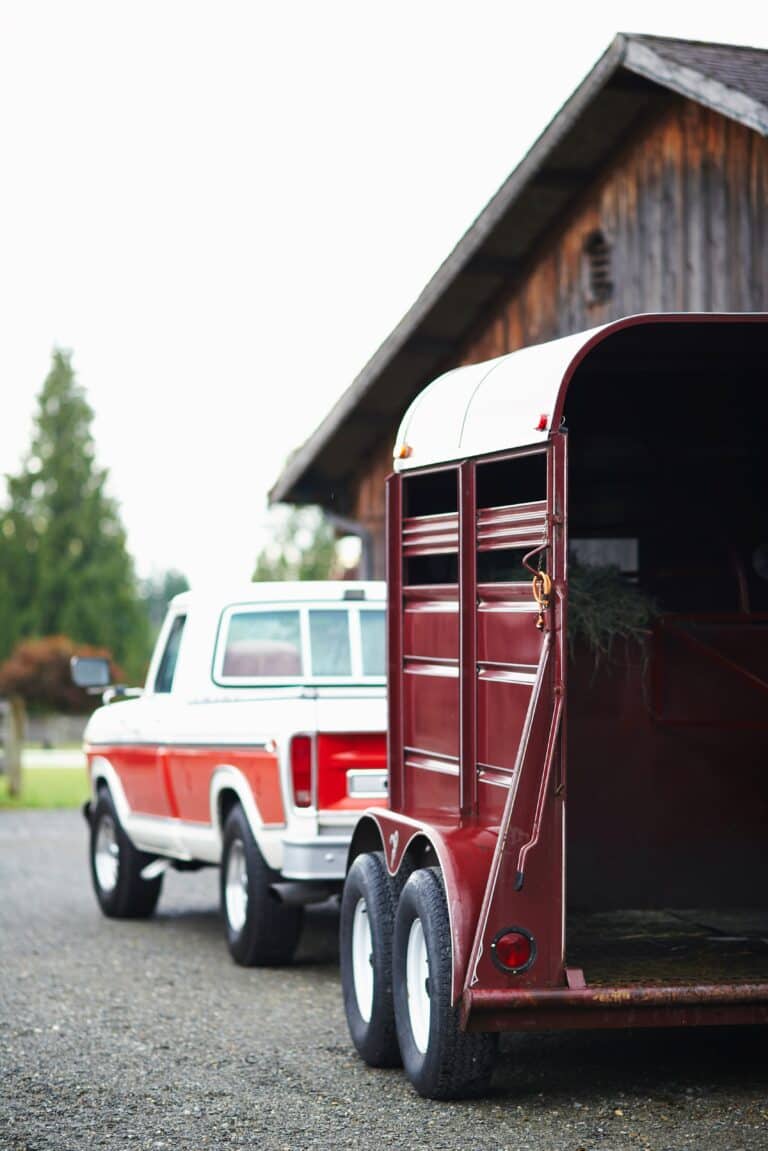
- Loading into a trailer
Good manners on the ground often translate into a more enjoyable ownership experience.
A horse that respects personal space and handles routine tasks calmly can make everyday life much easier.
Watch Someone Else Ride First
Never let your own ride be the first ride you see.
Ask the owner or trainer to ride the horse before you get on.
Pay attention to:
- How easily the horse catches.
- How they respond during grooming and saddling.
- Their willingness to move forward.
- Their attitude throughout the ride.
- How they behave after the ride ends.
If possible, watch them ride in different environments, not just one familiar arena.
Bring an Experienced Friend
Even experienced riders benefit from having another set of eyes.
A knowledgeable trainer or trusted horseperson may notice details that you’re too excited to see.
They can help evaluate:
- Soundness
- Training level
- Temperament
- Suitability for your goals
- Questions you may not think to ask
Buying a horse is both exciting and emotional.
Having someone objective with you is invaluable.
Don’t Skip the Pre-Purchase Exam
A veterinary pre-purchase exam is one of the smartest investments you can make.
No horse is perfect.
The purpose of the exam isn’t necessarily to find reasons not to buy the horse.
It’s to understand exactly what you’re buying and whether the horse is likely to meet your expectations.
Knowing about existing health concerns ahead of time allows you to make an informed decision.
Trust Your Instincts
Sometimes everything looks good on paper.
But something just doesn’t feel right.
Maybe the horse makes you nervous.
Maybe you feel rushed into making a decision.
Maybe the seller won’t answer reasonable questions.
Listen to that feeling.
There will always be another horse.
It’s better to wait for the right match than to regret a rushed purchase.
The Best Horse Helps You Grow
Some of the best horses aren’t champions.
They’re teachers.
They quietly build confidence.
They forgive mistakes.
They celebrate small victories with you.
Years later, riders often remember those horses far more fondly than the flashiest or most talented ones.
Those are the horses that spark a lifelong love of riding.
Choose the Partner, Not Just the Horse
When you buy a horse, you’re beginning a relationship that could last for many years.
The horse doesn’t need to impress everyone else.
They need to fit your experience, your goals, and your personality.
Take your time.
Ask questions.
Seek advice.
And don’t feel pressured to settle for a horse that isn’t the right match.
The best partnerships aren’t built on luck.
They’re built on thoughtful decisions made with patience, honesty, and a clear understanding of what both horse and rider need to succeed together.