10 Things Every New Horse Owner Should Buy First | Essential Horse Owner Checklist
One of my favorite parts of running a feed store is seeing someone walk through the door with a huge smile and say, “I just bought my first horse.”
It’s an exciting day.
It’s also the day many new owners discover there are about a thousand products with pictures of horses on them, and they have no idea which ones they actually need.
What I usually tell folks is this: Start with the basics. You don’t need every gadget or expensive accessory right away. Buy quality essentials first, learn what works for you and your horse, and add to your collection over time.
Here are the ten things I recommend purchasing first.
1. A Well-Fitted Halter and Lead Rope
Every horse owner needs a dependable halter and lead rope.
You’ll use them every day—for catching your horse, leading, grooming, loading into trailers, and veterinary visits.
Choose a halter that fits properly. One that’s too loose can slip off, while one that’s too tight can rub and become uncomfortable.
A sturdy 10- to 12-foot lead rope gives you plenty of room to work safely.
2. Grooming Supplies
Grooming isn’t just about making your horse look nice.
It’s one of the best ways to check for cuts, swelling, heat, loose shoes, skin issues, or anything unusual before it becomes a bigger problem.
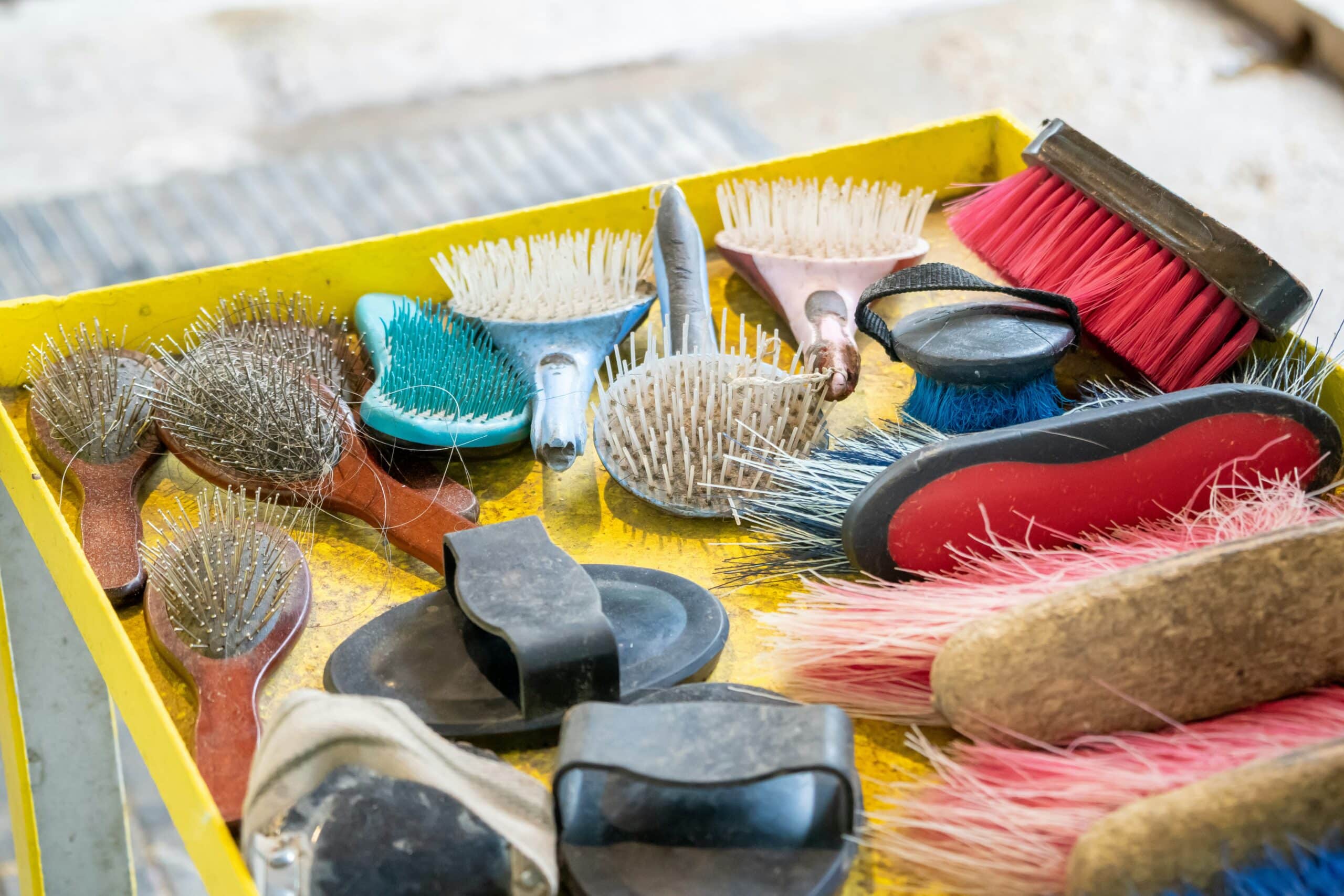
A basic grooming kit should include:
- Curry comb
- Stiff brush
- Soft finishing brush
- Hoof pick
- Mane and tail comb
- Sweat scraper (especially in warm weather)
You’ll use these almost every day.
3. A Good Fly Spray
If you’ve ever watched a horse spend an afternoon swatting flies, you’ll understand why this makes the list.
Flies don’t just annoy horses—they can cause stress, skin irritation, and even spread disease.
Different products work better in different climates, so don’t be afraid to ask local horse owners what works best in your area.
4. A First Aid Kit
Hopefully you won’t need it often.
But when you do, you’ll be glad it’s already in the barn.
A basic equine first aid kit should include:
- Gauze pads
- Vet wrap
- Antiseptic solution
- Thermometer
- Bandage scissors
- Disposable gloves
- Saline solution
- Wound ointment
Keep everything together in one clearly labeled container.
5. Water Buckets and Feed Buckets
Fresh water is the most important nutrient your horse consumes every day.
Invest in durable buckets that are easy to clean.
Many new owners like having separate buckets for grain, supplements, and treats to help keep feeding organized.
6. A Quality Hay Net or Hay Feeder
Hay can be one of your largest ongoing expenses.
Keeping it off the ground helps reduce waste and keeps it cleaner.
Slow-feed hay nets can also help horses eat more naturally throughout the day while stretching your hay supply a little farther.
7. A Properly Fitted Blanket (If Your Climate Requires One)
Not every horse needs a blanket.
Healthy horses with good shelter often stay perfectly comfortable through winter.
However, clipped horses, senior horses, underweight horses, or horses living in colder climates may benefit from one.
If you do buy a blanket, proper fit is critical.
A poorly fitted blanket can rub shoulders, create pressure points, or even become dangerous if it shifts.
8. Safe Feed Storage Containers
Nothing attracts mice faster than an open bag of grain sitting in the corner of the barn.
Invest in airtight feed containers with secure lids.
They help keep feed fresh, discourage rodents, and reduce wasted feed.
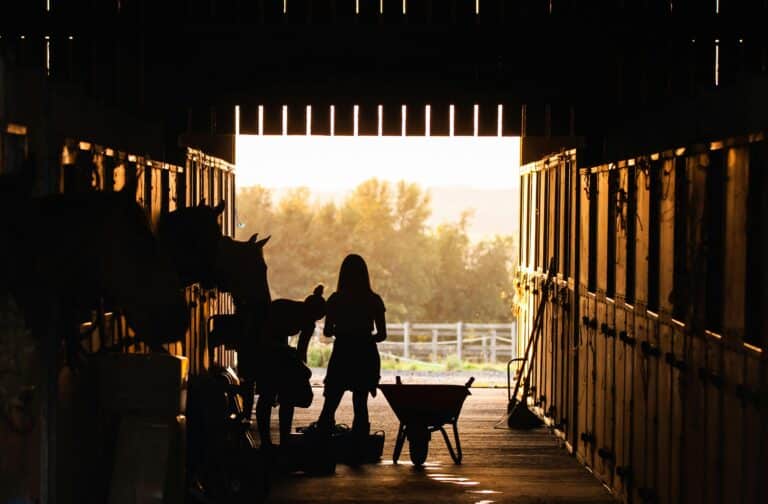
9. Manure Fork and Wheelbarrow
It’s probably not the purchase you were most excited about.
But you’ll use these almost every day.
Keeping stalls, paddocks, and shelters clean improves your horse’s health, reduces flies, and creates a much more enjoyable place to spend time.
10. A Relationship with Local Professionals
Okay…this one isn’t something you’ll find on a store shelf.
But it’s probably the most valuable thing on this list.
Before you actually need them, establish relationships with:
- A veterinarian
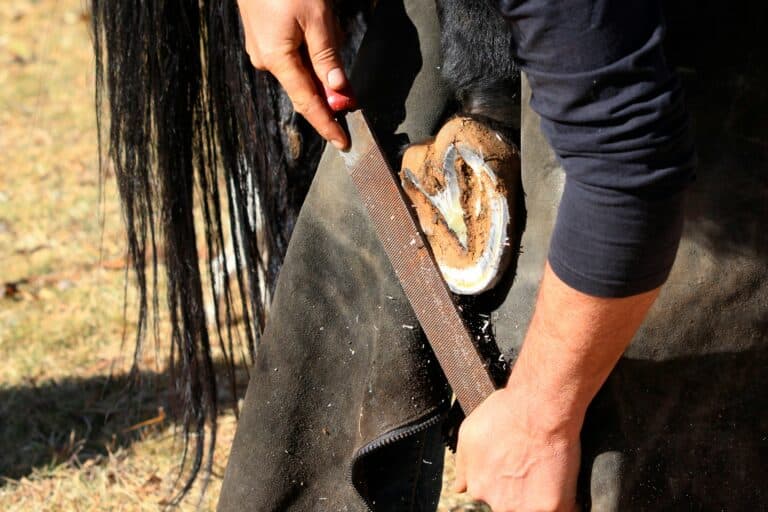
- A farrier
- A feed store you trust
- An experienced horse owner or trainer
- An emergency hauling contact
Having knowledgeable people you can call when questions come up can save you time, money, and unnecessary stress.
You Don’t Need Everything at Once
One mistake I see new horse owners make is trying to buy everything immediately.
The truth is, your horse won’t care if your grooming tote matches your saddle pad or if you have the newest gadgets.
Focus on safety.
Focus on quality.
Focus on learning.
As you spend more time with your horse, you’ll naturally discover what equipment makes your daily routine easier and what purchases can wait.
Horse ownership is a journey, not a shopping spree.
And honestly, asking questions before buying something is almost always cheaper than buying the wrong thing first.
Welcome to the horse world—you’ve got a lot of great adventures ahead.