5 Signs Your Horse Needs a Farrier Sooner Than You Think
Here’s the deal—most hoof problems don’t start big. They start small, quiet, and easy to miss… until they’re not.
I’ve been under enough horses to tell you this: if you wait until your horse is obviously lame, you’ve already waited too long. And having a good farrier can make a huge difference in addressing problems early before they become big.
The goal here is simple—catch the early signs, save yourself money, and keep your horse comfortable and working the way they should.
Let’s walk through the five biggest red flags I see all the time.
Quick Answer
If your horse has cracks, uneven wear, chipping, sensitivity, or changes in movement, it’s time to call your farrier—don’t wait for your regular schedule.
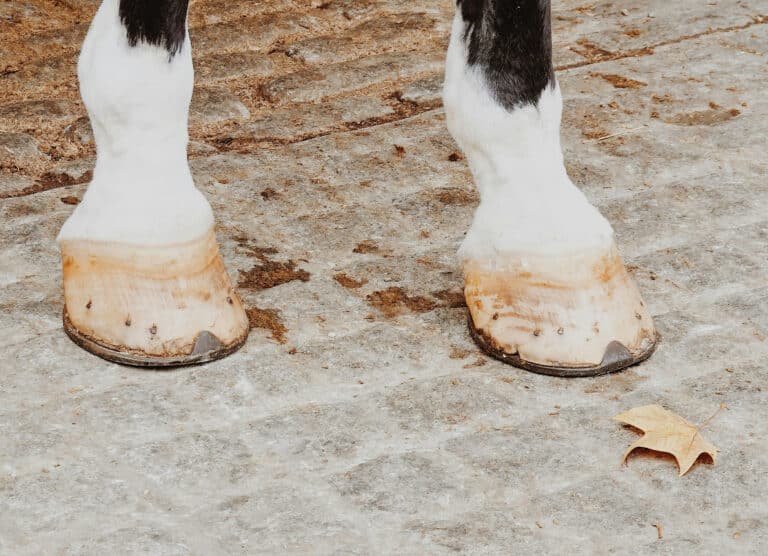
1. Hoof Cracks That Weren’t There Before
A small crack might not look like much—but it’s usually the first warning sign.
What to watch for:
- Vertical cracks starting at the ground or coronet band
- Chips turning into deeper splits
- Cracks that seem to be spreading
Here’s what folks miss: cracks don’t fix themselves. They grow out—or get worse.
If the hoof isn’t balanced right, that crack is under constant stress. That’s where things go sideways.
🟣 American Association of Professional Farriers (AAPF)
👉 Solid, real-world guidance straight from working farriers.
Bottom line:
If you see a new crack, call your farrier before it becomes a bigger problem.
2. Uneven Hoof Wear
Take a look at your horse standing square.
Do the hooves look even? Or is one side wearing down faster?
Signs of uneven wear:
- One side of the hoof looks lower
- Hoof shape looks “tilted”
- Horse stands uneven or shifts weight
This usually means the hoof isn’t landing correctly.
And when that happens, you start getting:
- Joint strain
- Tendon stress
- Long-term soundness issues
That’s where folks get into trouble.
🟣 American Farrier’s Association (AFA)
👉 Great resource for understanding hoof balance and trimming standards.
A quick trim adjustment early can prevent months of issues later.
3. Chipping and Breaking Hoof Edges
A little chipping can happen—but excessive chipping is your horse asking for help.
Red flags:
- Hoof edges breaking off regularly
- Jagged, rough hoof walls
- Pieces missing between trims
This usually comes down to one of two things:
- Hoof is overdue for trimming
- Hoof balance isn’t right
Either way, leaving it alone just makes it worse.
What matters most here is timing.
Don’t wait for your next scheduled trim if the hoof is already breaking down.
4. Sensitivity on Hard Ground
If your horse suddenly starts acting “ouchy” on gravel, pavement, or hard-packed dirt—pay attention.
What you might notice:
- Shortened stride
- Reluctance to move forward
- Picking their way carefully
That tells me the hoof isn’t providing the support it should.
Could be:
- Sole getting too thin
- Hoof out of balance
- Need for protection (like shoes or boots)
🟣 American Association of Equine Practitioners (AAEP)
👉 Vet-backed hoof care and lameness guidance you can trust.
This one gets overlooked a lot, especially with barefoot horses.
Here’s the reality:
Comfort matters. If your horse is telling you something changed, believe them.
5. Changes in Movement or Performance
This is the big one.
If your horse isn’t moving like they normally do, don’t just assume it’s training or attitude.
Watch for:
- Short strides
- Tripping more than usual
- Stiffness turning or stopping
- Loss of performance
A lot of the time, this ties back to the feet.
And here’s the thing—horses compensate.
They’ll adjust their movement to avoid discomfort… until they can’t anymore.
That’s when small problems turn into big vet bills.
Common Mistakes Horse Owners Make
Let me save you some headaches:
- Waiting for visible lameness
- Sticking to a schedule no matter what
- Ignoring small changes in hoof appearance
- Assuming “it’ll grow out”
It usually doesn’t.
Pro Tip
Pick up your horse’s feet every few days—not just before riding.
You’ll catch:
- Cracks early
- Changes in wear
- Heat or sensitivity
That’s how you stay ahead of problems instead of chasing them.
Quick Checklist
If you notice ANY of these, call your farrier:
✔ New hoof cracks
✔ Uneven wear or stance
✔ Excessive chipping
✔ Sensitivity on hard ground
✔ Changes in movement
Why This Matters
Good hoof care isn’t just maintenance—it’s the foundation of everything your horse does.
You can have the best feed, the best training, the best tack…
But if the feet aren’t right, none of it works.
Find Help Near You
Need a trusted farrier or hoof care professional?
👉 Find local trainers, barns, and services in the My Equine World Directory and connect with professionals in your area.
Looking for hoof boots, tools, or equipment?
👉 Looking for horse gear? Check the Classifieds.
Want to learn more in person?
👉 Check upcoming events near you for clinics and hoof care workshops.
FAQs
1. How often should my horse see a farrier?
Most horses need trimming every 4–8 weeks, but it depends on growth rate, workload, and hoof condition.
2. Can I wait until my scheduled appointment if I notice a problem?
No. If you see cracks, imbalance, or sensitivity, it’s better to call sooner. Small issues get worse fast.
3. Is chipping always a problem?
Minor chipping can happen—but consistent or excessive chipping usually means your horse needs attention.
Call to Action
If your horse is showing any of these signs, don’t wait.
Take a look at those feet today—and if something feels off, get your farrier on the schedule.