The Truth About Barefoot vs. Shoes: Which Horses Really Need Them?
Not every horse needs shoes—but not every horse should go barefoot, either. Learn how terrain, workload, hoof quality, and your horse’s individual needs determine the right choice.
If there’s one question I get asked more than just about any other, it’s this:
“Should my horse wear shoes, or should I leave him barefoot?”
Here’s the deal.
There isn’t one right answer.
Some horses spend their entire lives barefoot and stay perfectly sound. Others need shoes to stay comfortable, perform their jobs, or prevent hoof problems.
The mistake folks make is thinking there’s a one-size-fits-all answer.
There isn’t.
Every horse deserves to be evaluated as an individual.
What Horseshoes Actually Do
Before deciding whether your horse needs shoes, it’s helpful to understand what they’re designed to accomplish.
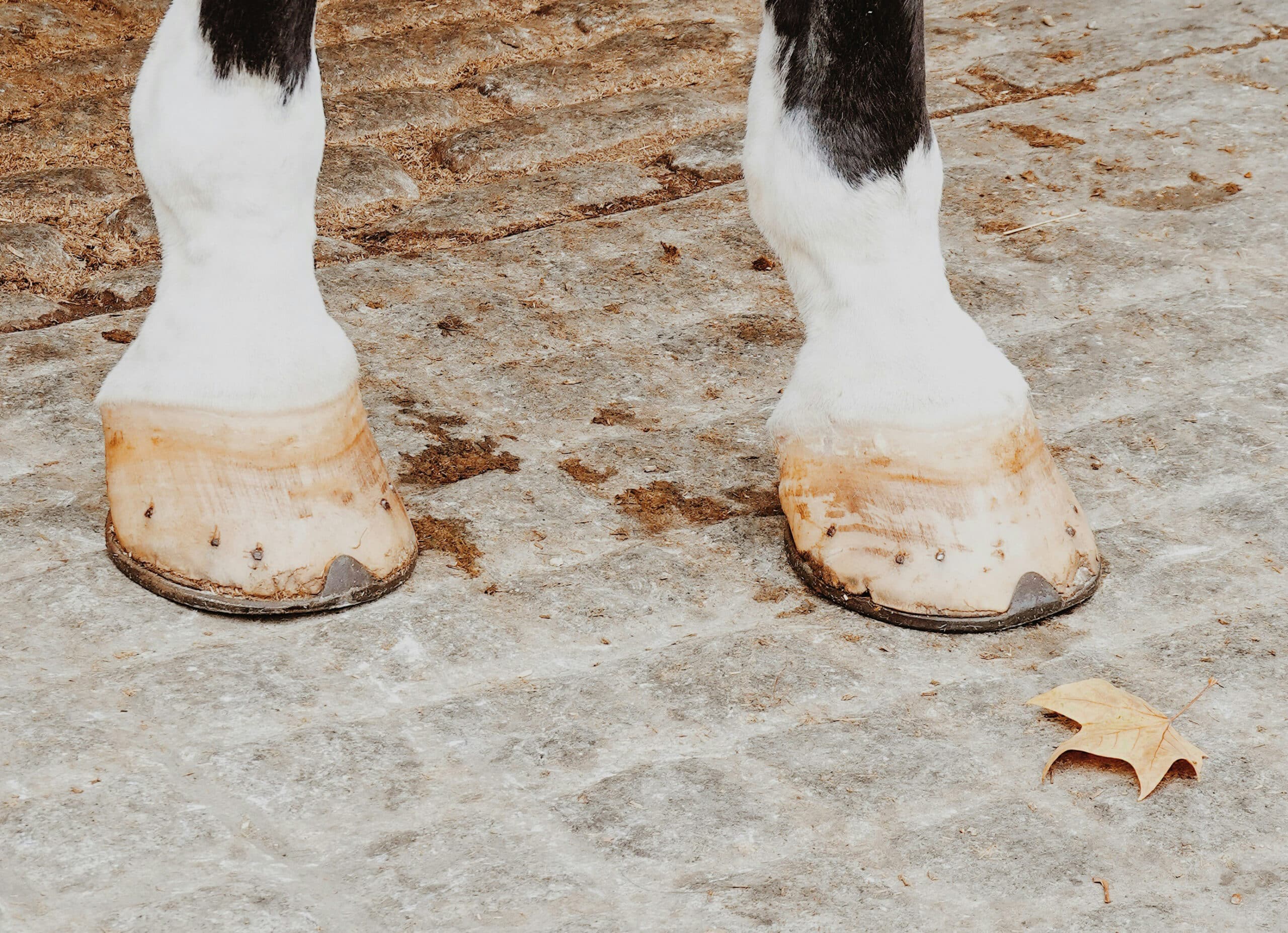
Generally speaking, horseshoes serve three primary purposes:
- Protect the hoof from excessive wear
- Improve traction on certain surfaces
- Provide support for horses with specific hoof or soundness issues
If your horse doesn’t need one of those three things, shoes may not be necessary.
Plenty of Horses Do Well Barefoot
Healthy horses with strong feet that live on forgiving terrain often do just fine without shoes.
Many lightly ridden horses, pasture horses, broodmares, and retirees remain barefoot for years.
Their hooves naturally wear and grow at roughly the same rate, and routine trimming keeps everything balanced.
Barefoot horses also tend to have excellent natural hoof function, allowing the hoof capsule to expand and contract with each step.
That said, barefoot isn’t automatically better.
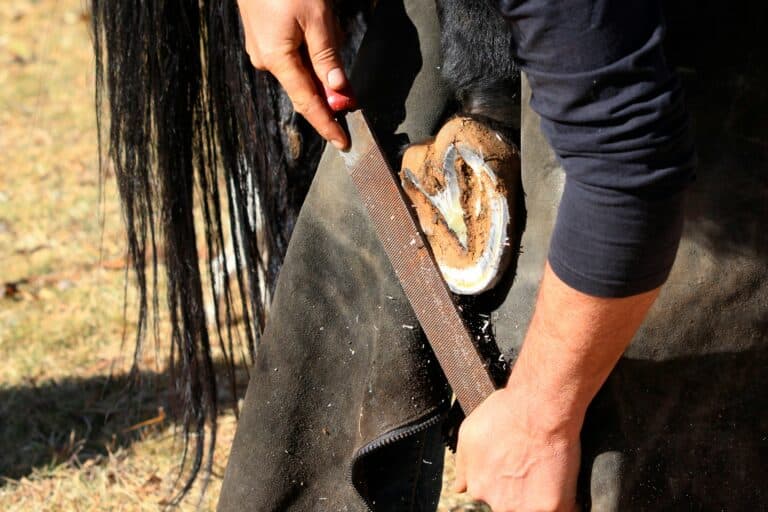
The horse still needs regular trims every six to eight weeks—or whatever schedule your farrier recommends.
Neglected barefoot hooves quickly become long, imbalanced, and prone to cracking.
When Shoes Make Sense
Shoes become valuable when the hoof wears faster than it grows.
That’s common with horses that:
- Are ridden frequently
- Travel on rocky or abrasive terrain
- Compete regularly
- Pull carriages or wagons
- Work on pavement or gravel roads
Without protection, these horses can become foot sore simply because the hoof can’t keep up with the workload.
Shoes help preserve the hoof while allowing the horse to stay comfortable.
Performance Horses Often Need Additional Support
Performance disciplines place tremendous stress on a horse’s feet.
Reining horses slide.
Barrel horses make sharp turns.
Jumpers land with significant impact.
Ranch horses cover miles over uneven ground.
Many performance horses benefit from shoes that improve traction or provide additional support.
The exact type of shoe depends on the discipline, footing, and individual horse.
A good farrier considers all three.
Hoof Quality Matters
Not all hooves are built the same.
Some horses naturally grow dense, durable hoof walls.
Others have softer, thinner feet that chip or crack more easily.
Genetics plays a role.
So do nutrition, moisture, trimming, environment, and overall health.
I’ve seen horses with excellent feet stay barefoot on rocky ranches, and I’ve seen others become uncomfortable walking across a gravel driveway.
That’s why blanket recommendations rarely work.
Don’t Ignore What Your Horse Is Telling You
This is where folks sometimes get into trouble.
They become committed to a philosophy instead of paying attention to the horse.
If your barefoot horse suddenly becomes tender every time you ride, that’s information.
If your shod horse continually loses shoes because of poor hoof quality or management issues, that’s information too.
Your horse doesn’t care about the latest debate online.
Your horse cares about being comfortable.
Pay attention to how they move.
Watch for:
- Shortened stride
- Tenderness on gravel
- Frequent stumbling
- Excessive hoof wear
- New cracks or chips
- Reluctance to move forward
Comfort should always guide the decision.
Good Trimming Is More Important Than Barefoot or Shoes
Here’s something people don’t always expect me to say.
Whether your horse wears shoes or not, the trim matters more.
An imbalanced hoof can create problems regardless of what’s nailed underneath it.
A well-balanced barefoot hoof will usually outperform a poorly shod hoof.
Likewise, a properly shod horse often stays much sounder than one with neglected trims.
The foundation is always good hoof care.
Work With Your Farrier
One of the best decisions you can make is developing a relationship with a knowledgeable farrier.
A good farrier doesn’t just trim feet.
They evaluate movement.
They watch how the hoof wears.
They notice changes over time.
They help you make adjustments before small problems become expensive ones.
Don’t be afraid to ask questions.
A quality farrier wants you to understand why they’re making a recommendation—not just what they’re doing.
There Isn’t a Trophy for Either Side
Sometimes the barefoot versus shoes conversation gets treated like a competition.
It shouldn’t be.
Neither option automatically makes someone a better horse owner.
The goal isn’t proving a point.
The goal is keeping your horse comfortable, healthy, and able to do the job you’re asking of them.
That’s where folks get into trouble—when they start choosing sides instead of choosing what’s best for the horse standing in front of them.
Every horse is different.
Listen to your farrier.
Listen to your veterinarian when needed.
Most importantly, listen to your horse.
They’ll usually tell you exactly what they need—if you’re paying attention.