Trail Safety Essentials: 12 Things Every Rider Should Carry (But Most Forget)
Trail riding is rewarding—but preparation is key. Discover the 12 essential items every rider should carry to stay safe and confident on the trail.
Out Here, Preparation Isn’t Optional
Out here, the trail has a way of reminding you what matters.
Cell service drops. Weather shifts faster than expected. A calm ride can turn into a situation that asks more of you—and your horse—than you planned for.
There’s nothing quite like being miles from the trailhead when something goes wrong to make you appreciate preparation.
What I always tell riders is this: Trail safety isn’t about fear—it’s about respect.
Respect for the land, for your horse, and for the reality that out here, you are your own first line of support.
The 12 Essentials Every Rider Should Carry
Let’s walk through the items I consider non-negotiable for anyone spending real time on the trail.
1. 🧰 Basic First Aid Kit (For You and Your Horse)
Out here, even small injuries need attention.
Include:
- Bandages and gauze
- Antiseptic wipes
- Vet wrap
- Pain relief (as appropriate)
Delmarva Equine Clinic has this great list of items to consider for your trail ride first aid kit.
A good habit to build is checking and restocking your kit regularly.
2. 📱 Emergency Communication Device
Don’t rely on cell service.
Carry:
- Fully charged phone
- Backup battery pack
- Or better yet, a GPS messenger or satellite device
When you need it, you really need it.
3. 🧭 GPS or Trail Navigation Tool
There’s nothing quite like realizing you’re not exactly where you thought you were.
Options include:
- GPS unit
- Downloaded offline maps
- Trail apps with tracking capability
Out here, knowing your route is part of staying safe.
4. 💧 Adequate Water (More Than You Think)
Dehydration sneaks up quickly—for both rider and horse.
Carry:
- Water for yourself
- Electrolytes if riding longer distances
A good habit to build is planning for more time than expected, not less.
5. 🪢 Rope or Lead Line
Simple. Essential. Often overlooked.
Use it for:
- Emergency tying
- Assisting another rider
- Handling unexpected situations
Out here, a rope solves more problems than you might expect.
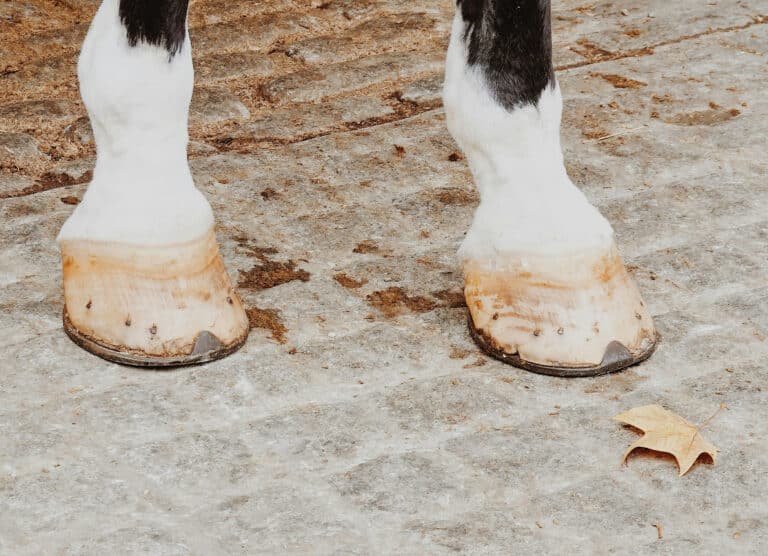
6. 🐴 Hoof Boot or Emergency Hoof Protection
A lost shoe or stone bruise can end a ride—or worse.
Having:
- A spare hoof boot
- Or basic hoof protection
…can mean the difference between walking out safely or being stranded.
7. 🔪 Multi-Tool or Knife
You may not use it often—but when you need it, there’s no substitute.
Useful for:
- Cutting rope
- Fixing tack
- Emergency situations
Keep it accessible, not buried in your saddlebag.
8. 🧥 Weather Layer (Even on Nice Days)
Out here, conditions change fast.
Carry:
- Lightweight rain layer
- Extra warmth depending on season
There’s nothing quite like getting caught in a temperature drop unprepared.
9. 🔦 Small Flashlight or Headlamp
Even if you plan to be back early, delays happen.
A headlamp is especially useful because:
- It keeps your hands free
- Helps you manage your horse safely
10. 🍎 High-Energy Snack
Low energy affects decision-making.
Bring:
- Protein bars
- Trail mix
- Quick sugar sources
A good habit to build is fueling yourself before you feel like you need it.
11. 🪪 Identification & Emergency Info
If something happens, this matters.
Carry:
- ID
- Emergency contact info
- Medical notes if needed
Some riders also attach info directly to their saddle or helmet.
12. 🧠 A Plan (And Someone Who Knows It)
This might be the most important one.
Before you ride:
- Tell someone where you’re going
- Share your expected return time
- Stick to your plan as closely as possible
Out here, accountability adds a layer of safety no gear can replace.
Real Safety Comes From Awareness
Gear matters—but mindset matters more.
Out here, I’ve seen experienced riders get into trouble not because they lacked equipment, but because they pushed past what the situation was telling them.
A good habit to build is paying attention—not just to your horse, the weather, your own energy level, but to the land itself. Principles from organizations like the Leave No Trace Center for Outdoor Ethics remind us that responsible travel isn’t just about safety—it’s about preserving these trails for the next rider, too.
Your horse will often notice things before you do—if you’re willing to listen.
Riding With a Partner—The Best Safety Tool You Have
There’s nothing quite like having another rider with you when things don’t go as planned.
Whenever possible:
- Ride with a partner
- Or at least in areas with some level of traffic
Out here, shared experience isn’t just enjoyable—it’s safer.
Final Thoughts: Out Here, You Earn Every Mile
Trail riding is one of the most rewarding experiences there is.
The quiet. The connection. The sense of moving through the land instead of just looking at it.
But it comes with responsibility.
Out here, preparation isn’t about expecting the worst—it’s about respecting the ride.
Because when you’re ready for what the trail might ask of you…
you get to enjoy everything it has to offer.