Starting a Young Horse Right: The First 30 Days That Matter Most
A Calm, Step-by-Step Guide to Building the Right Foundation
Some folks think starting a young horse is about getting on as fast as possible.
That’s usually where things start going wrong.
The first 30 days aren’t about riding.
They’re about building a horse that understands pressure, trusts you, and stays quiet when things get uncertain.
Pay attention to this—what you do early either makes everything easier… or harder for the rest of that horse’s life.
🧠 Quick Answer
The first 30 days of starting a young horse should focus on groundwork, desensitization, and clear communication, not rushing to ride. A calm, consistent foundation creates a safer, more reliable horse long-term.
🧭 What Matters Most in the First 30 Days
You’re not trying to “finish” a horse.
You’re trying to build:
- Understanding
- Confidence
- Responsiveness to pressure
If those are there, everything else comes easier.
If they’re not… you’ll spend months fixing what got skipped.
📅 Week-by-Week Breakdown
Week 1: Quiet, Respect, and Basic Understanding
Don’t rush this.
This is where the horse learns how to be handled.
Focus on:
- Leading with respect (not dragging, not crowding)
- Yielding hindquarters and forequarters
- Backing softly from pressure
- Standing tied (short sessions, supervised)
What you’re looking for:
- A horse that thinks instead of reacts
- Soft responses, not resistance
If you want a deeper look at groundwork principles, this is a solid reference:
🟣 Basic Groundwork Exercises for Young Horses
Week 2: Desensitizing Without Dulling
A lot of people get this wrong.
They either:
- Skip it
- Or overdo it until the horse shuts down
You want a horse that’s:
- Aware, but not reactive
Introduce:
- Saddle pad
- Flag or plastic bag
- Rope movement around body and legs
The goal:
Not to make them numb…
But to teach them they can stay calm when something changes.
Week 3: Introducing the Saddle and Pressure
Now you start putting pieces together.
Work on:
- Saddling calmly (no surprises)
- Tightening cinch gradually
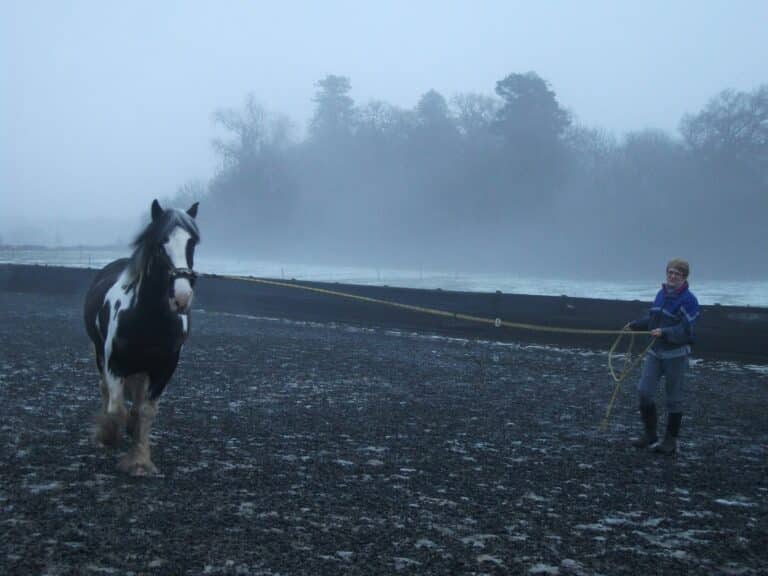
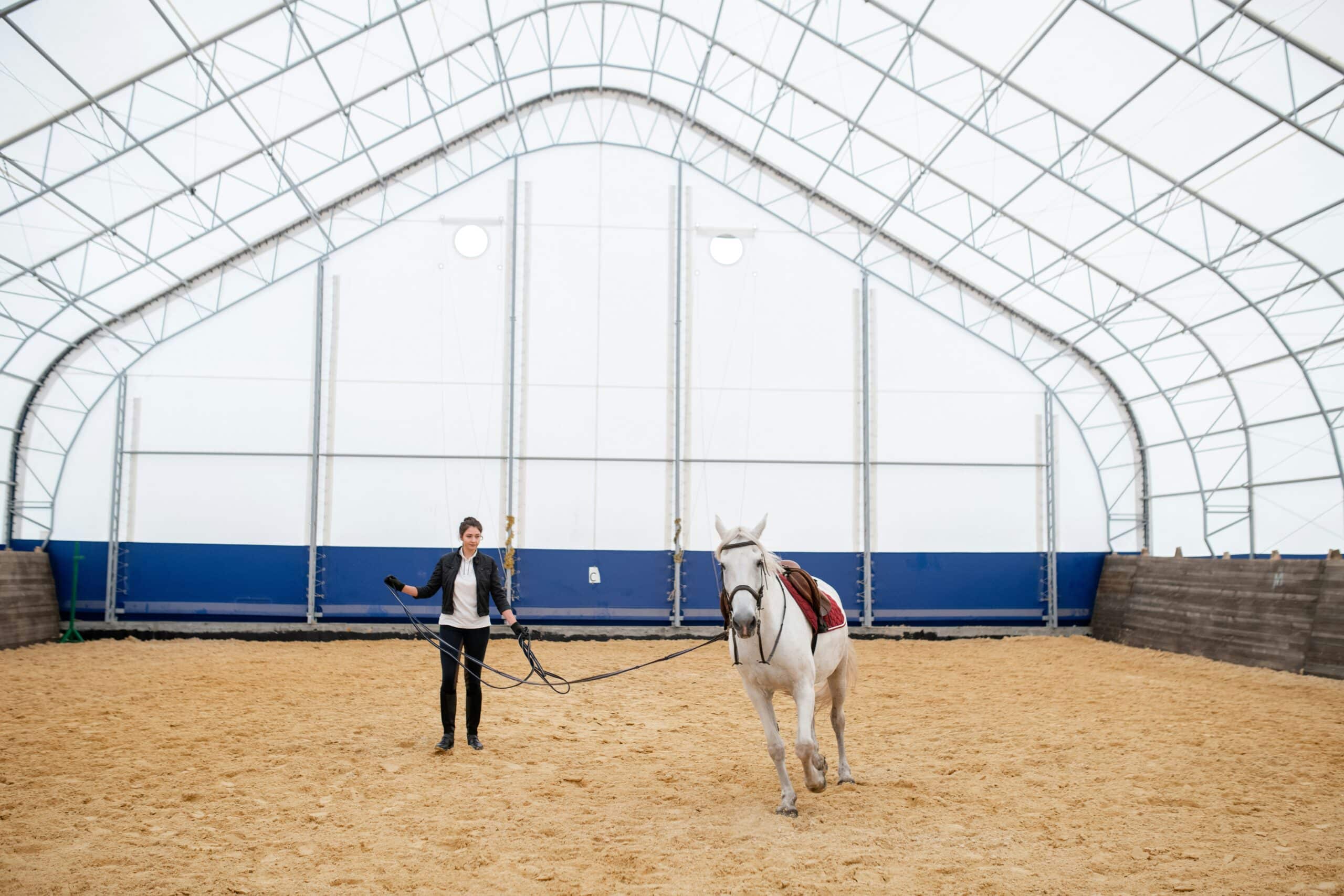
- Lunging with purpose (not just running circles)
- Responding to voice and body cues
What matters here:
The horse should move with you, not against you.
If they brace, rush, or check out…
you went too fast somewhere.
Go back and fix it.
A helpful overview of early training progression can be found here:
🟣 Starting Young Horses: Early Training Basics
Week 4: First Rides (Keep It Uneventful)
Here’s where people get impatient.
Don’t.
The first rides should feel almost boring.
Focus on:
- Standing still to mount
- One rein stop
- Walking off soft and relaxed
- Stopping and backing quietly
What you’re NOT doing yet:
- No speed work
- No drilling
- No pressure to “perform”
At this stage, the best ride is a quiet one.
⚠️ Common Mistakes That Cause Long-Term Problems
- Moving too fast to riding
- Skipping groundwork
- Overexposing instead of building confidence
- Using force instead of timing
- Ignoring small resistance (it becomes big later)
At the end of the day,
small problems early turn into big problems under saddle.
✅ A Simple Daily Structure
Keep it consistent.
Horses learn from repetition and feel.
Example session:
- Groundwork review (10–15 minutes)
- Introduce something new (5–10 minutes)
- End on something the horse does well
Short sessions. Clear timing. Quit on a good note.
🧠 Pro Tip
Less is more.
A young horse doesn’t need long sessions.
They need clear, consistent ones.
If you get one good response…
that’s a good place to stop.
📍 Build the Right Team Around You
Starting a young horse isn’t something you have to figure out alone.
👉 Find experienced trainers and colt starters in the My Equine World Directory
Looking for tack, saddles, or training equipment?
👉 Browse the Classifieds
Want to watch or learn from others?
👉 Check out upcoming Events and clinics near you
🧾 Key Takeaways
- The first 30 days are about foundation, not speed
- Groundwork sets everything up under saddle
- Calm exposure builds confidence—not force
- Short, consistent sessions work best
- Fix small issues early
❓ FAQ: Starting a Young Horse
1. How long should I work a young horse each day?
Typically 20–40 minutes is enough. Keep sessions short and focused to avoid mental burnout.
2. When should I first ride a young horse?
Only after the horse is calm, responsive, and comfortable with saddle and pressure—usually around week 3–4 if done correctly.
3. What’s the biggest mistake when starting a young horse?
Going too fast. Most issues come from skipping steps or rushing the foundation.
📣 Call to Action
If you want a horse that’s safe, willing, and confident…
👉 Connect with trusted trainers
👉 Learn from real horsemen and horsewomen near you
👉 Start your young horse the right way—before problems start