Trail Riding Etiquette: Sharing the Trail with Hikers, Bikes, and Wildlife
Trail riding is one of the greatest ways to enjoy the outdoors with your horse—but sharing public trails comes with responsibilities. Learn the simple etiquette that keeps everyone safe and helps protect trail access for future riders.
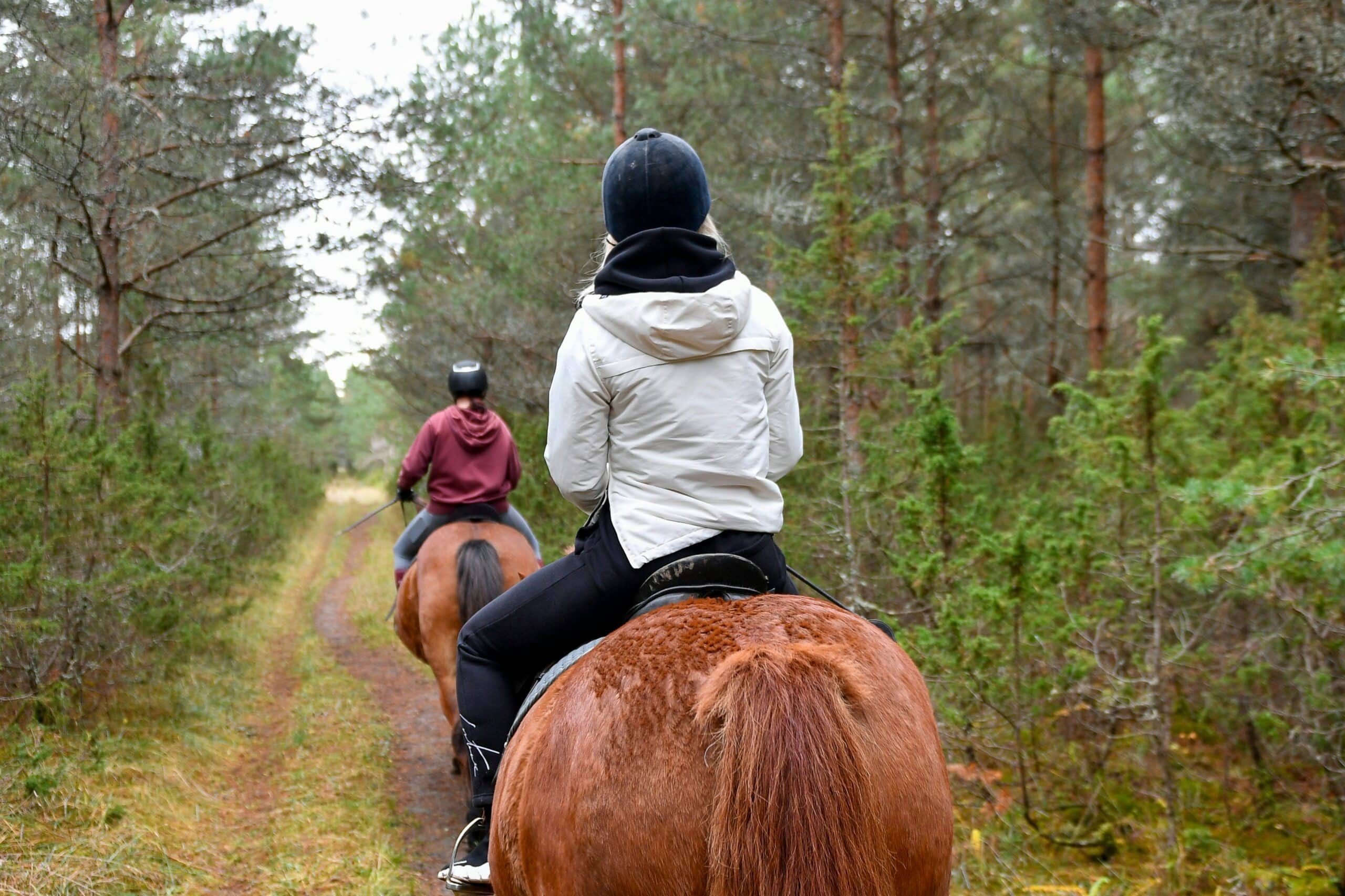
There’s nothing quite like riding a good horse down a quiet forest trail.
The rhythm of hoofbeats.
The scent of pine trees after a summer rain.
The sound of a creek just around the next bend.
Out here, it’s easy to remember why we fell in love with horses in the first place.
But we’re rarely the only ones enjoying these places.
Today’s public trails are shared by hikers, runners, mountain bikers, dog walkers, birdwatchers, and fellow equestrians. Add in the wildlife that calls these places home, and good trail etiquette becomes more than just good manners—it’s essential for everyone’s safety and for protecting our continued access to these incredible spaces.
Remember That You’re an Ambassador
Whether you realize it or not, every time you ride a public trail, you’re representing the entire equestrian community.
Most people don’t meet hundreds of horse owners.
They meet one.
You.
If that encounter is positive, they’re more likely to support horses on public trails. If it’s negative, those impressions can influence future discussions about trail access.
A friendly wave, a smile, and a little patience go a long way.
Slow Down When You Meet Others
One of the easiest ways to create a safe interaction is simply to slow down.
Whenever you approach hikers, cyclists, or other trail users:
- Bring your horse back to a walk.
- Speak calmly to your horse.
- Give others time to react.
- Pass only when everyone feels comfortable.
Even the calmest horse can become startled by sudden movement, so reducing speed gives everyone more time to adjust.
Communicate Early
Many hikers and cyclists have very little experience around horses.
They may not know the safest place to stand or how to pass.
Don’t assume they know what to do.
Instead, communicate clearly and politely.
A simple, “Good morning! Could you please step to the downhill side while we pass?” or “Thanks for slowing down—my horse appreciates it!” can make the interaction smooth and comfortable.
Friendly communication prevents confusion.
Be Especially Careful Around Mountain Bikes
Out here, mountain bikes are often the fastest-moving users on the trail.
Because bikes can approach quietly and appear suddenly around corners, they sometimes surprise horses.
If you see a cyclist approaching:
- Ask them to slow down.
- Let your horse see the bike.
- Speak calmly to reassure your horse.
- Allow the cyclist to pass only when your horse is relaxed.
Most cyclists are happy to cooperate when they understand what your horse needs.
Respect Wildlife
One of the greatest rewards of trail riding is seeing wildlife in its natural habitat.
But remember—you are a visitor in their home.
If you encounter deer, elk, bears, or other wildlife:
- Stop if necessary.
- Give animals plenty of space.
- Never attempt to approach or chase wildlife.
- Allow your horse time to observe without forcing the situation.
Many horses notice wildlife before we do.
Pay attention to changes in your horse’s ears, posture, and focus. They often alert you long before an animal becomes visible.
Stay on Designated Trails
It can be tempting to explore that inviting opening through the trees.
Please don’t.
Leaving designated trails damages vegetation, increases erosion, and can disturb sensitive wildlife habitat.
Trail systems are carefully designed to balance recreation with conservation.
Staying on established routes helps protect the land so future generations can enjoy it as well.
Leave No Trace
Responsible riders leave the trail looking as though they were never there.
Pack out everything you bring in.
That includes:
- Water bottles
- Snack wrappers
- Twine or baling string
- Broken tack
- Other trash
If your horse leaves manure on a narrow trailhead, parking area, or high-traffic section, move it off the main path whenever practical. While manure on remote natural trails generally breaks down quickly, clearing busy areas is a courteous gesture that other trail users appreciate.
Know Your Horse
Not every horse is ready for every trail.
If your horse becomes anxious around bicycles, loose dogs, bridges, or wildlife, spend time building confidence in controlled environments before tackling busy public trails.
There’s no shame in choosing easier rides while your horse gains experience.
In fact, it’s one of the most responsible decisions you can make.
Ride Prepared
The farther you travel from the trailer, the more self-sufficient you should become.
Always carry essentials such as:
- A properly fitted halter and lead rope
- Water for yourself
- A basic first aid kit
- A hoof pick
- A cell phone or emergency communication device
- Emergency contact information
Preparation doesn’t just make your ride safer—it gives you peace of mind if the unexpected happens.
Be Courteous at Trailheads
The ride begins long before you reach the trail.
Busy trailheads are often where conflicts occur.
Keep horses under control while saddling.
Park only where permitted.
Avoid blocking trailers, gates, or access roads.
If someone is loading or unloading a nervous horse, give them extra room and wait patiently.
A little courtesy in the parking area sets the tone for the entire day.
Help Keep Trails Open
Many public trails remain open to horses because riders have earned the trust of land managers and other outdoor enthusiasts.
Every respectful interaction strengthens that trust.
Every careless one puts it at risk.
Out here, we all share the same goal.
We want clean trails.
Healthy forests.
Safe experiences.
And the opportunity to come back again next weekend.
Trail etiquette isn’t about memorizing a long list of rules.
It’s about showing respect—for your horse, for other people, for wildlife, and for the beautiful places that make trail riding such a remarkable experience.
Ride with patience.
Ride with awareness.
And leave every trail just a little better than you found it.